The problem
One routine, thirty bodies.
A generic class runs the same routine for everyone. The fit keep up, the rest compensate. Compensation is where knees and backs get hurt and where people quietly stop coming.

Personalised fitness studio · Jaipur
An assessment first. Then one plan across personalised yoga, strength training and zumba, changed as your body changes.
Why THT
Your plan should not be the average plan.
Most classes are built for the middle of the room. If your knee, your back, your shift timings or your starting point are different, you either push through or drop out.
THT starts from the other end. A coach assesses you first, writes a plan for you, and stays in the room while you do it.
The problem
A generic class runs the same routine for everyone. The fit keep up, the rest compensate. Compensation is where knees and backs get hurt and where people quietly stop coming.
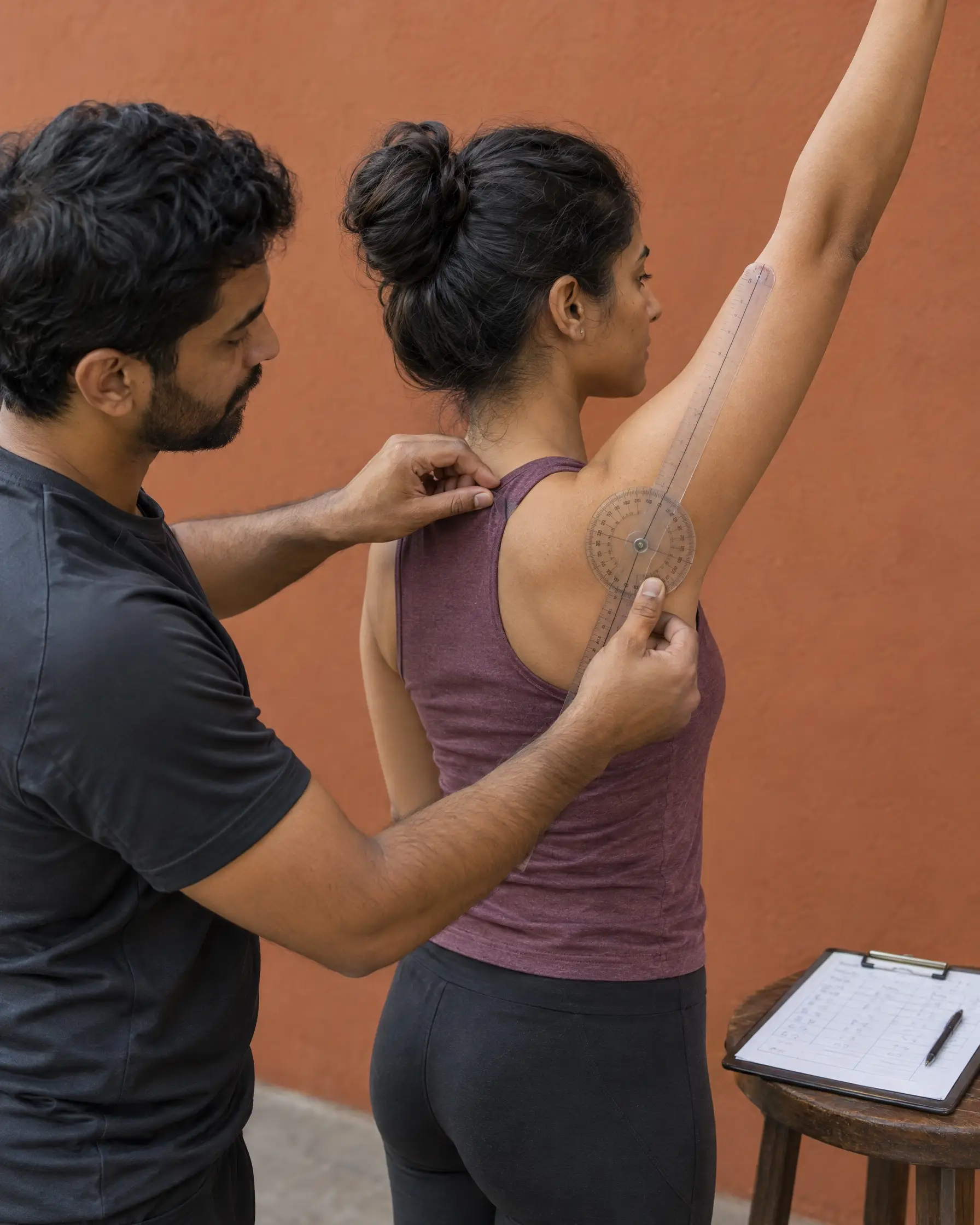
01 · Assess
Your first session is an assessment: posture, joint mobility, a strength baseline, past injuries, sleep and work hours, and what you actually want. It is written down, not guessed.
02 · Plan
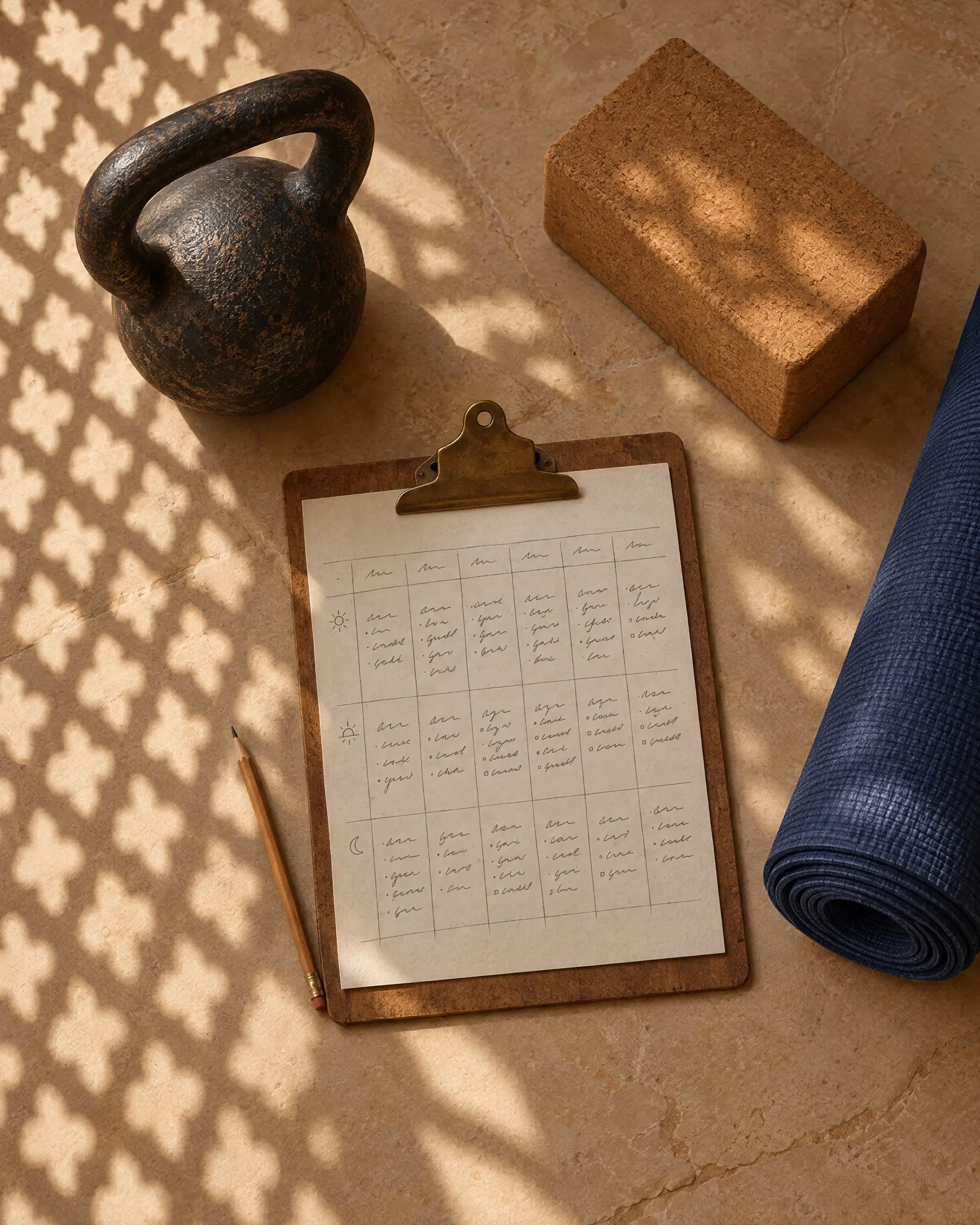
The coach writes your week: strength sessions where you need capacity, yoga where you need range, Zumba where you need consistency and fun. Each session has a purpose you can name.
03 · Adjust
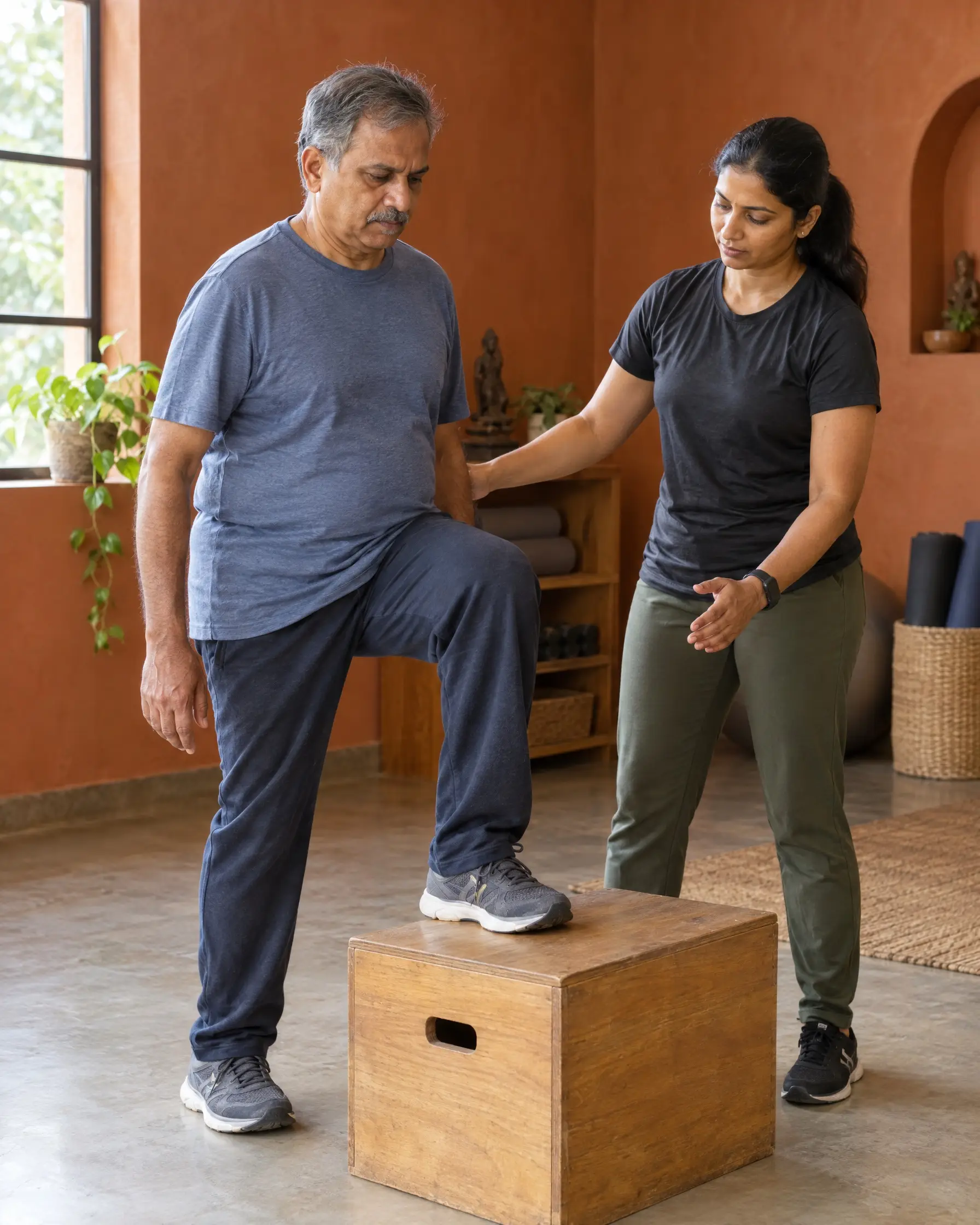
Loads go up when the numbers say so. Poses change when a joint complains. A busy month gets a shorter plan, not a guilty one. You are re-assessed on a fixed schedule.
Drag to compare
An illustrative example for a 34-year-old with a desk job, a sore left knee and a goal of getting stronger. It shows how a plan is structured. It is not a member's results.
Generic classEveryone
THT planOne person · example
Who it is for

Starting again
We start lighter than you expect and make the first month easy to keep. Showing up is the first result.
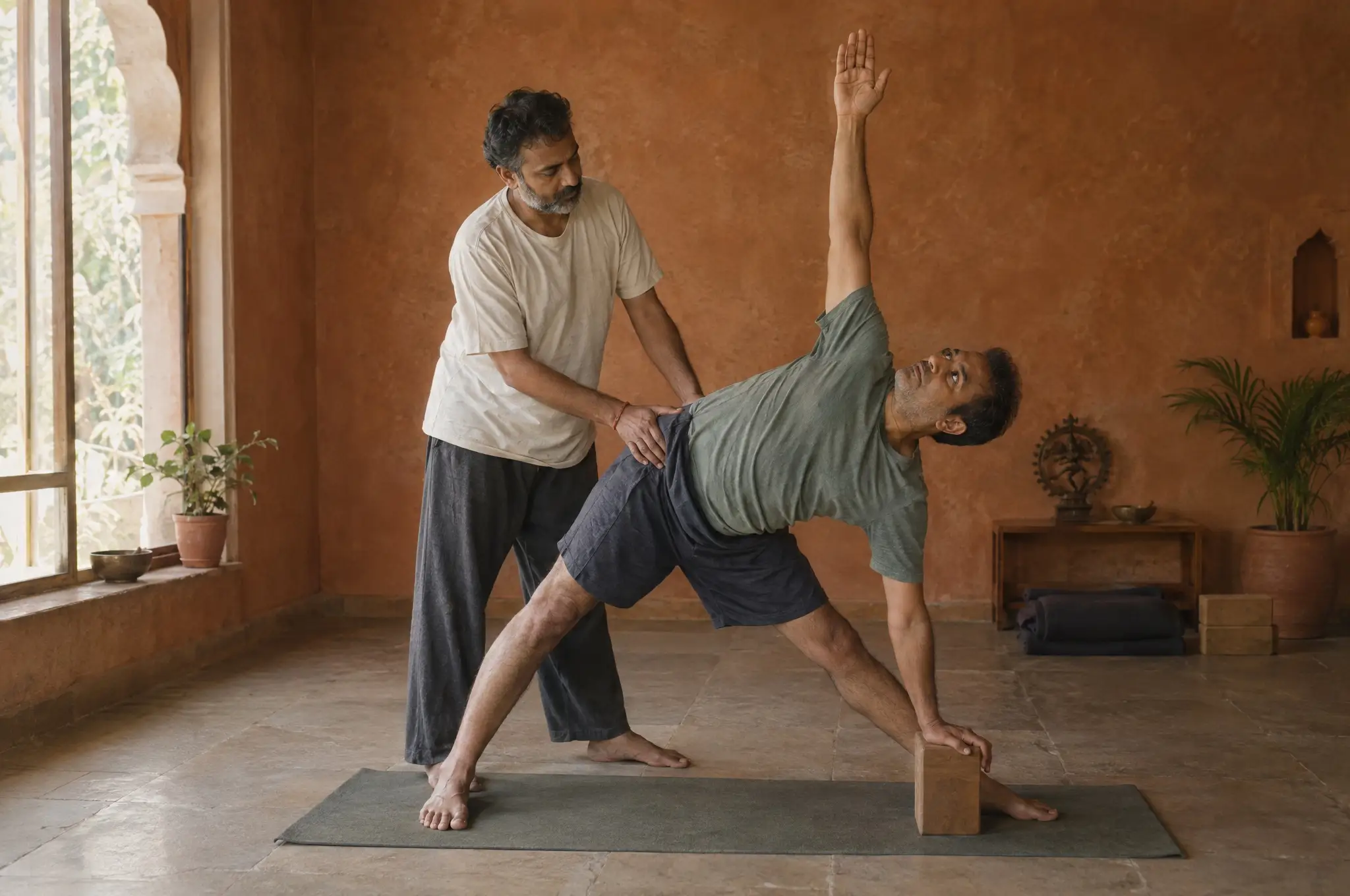
Working around pain
The assessment finds what you can load today. Exercises are chosen around it, and we ask for a doctor's clearance where it matters.

Getting stronger
A written progression with tested numbers, a coach who watches your form, and sessions that build on each other.
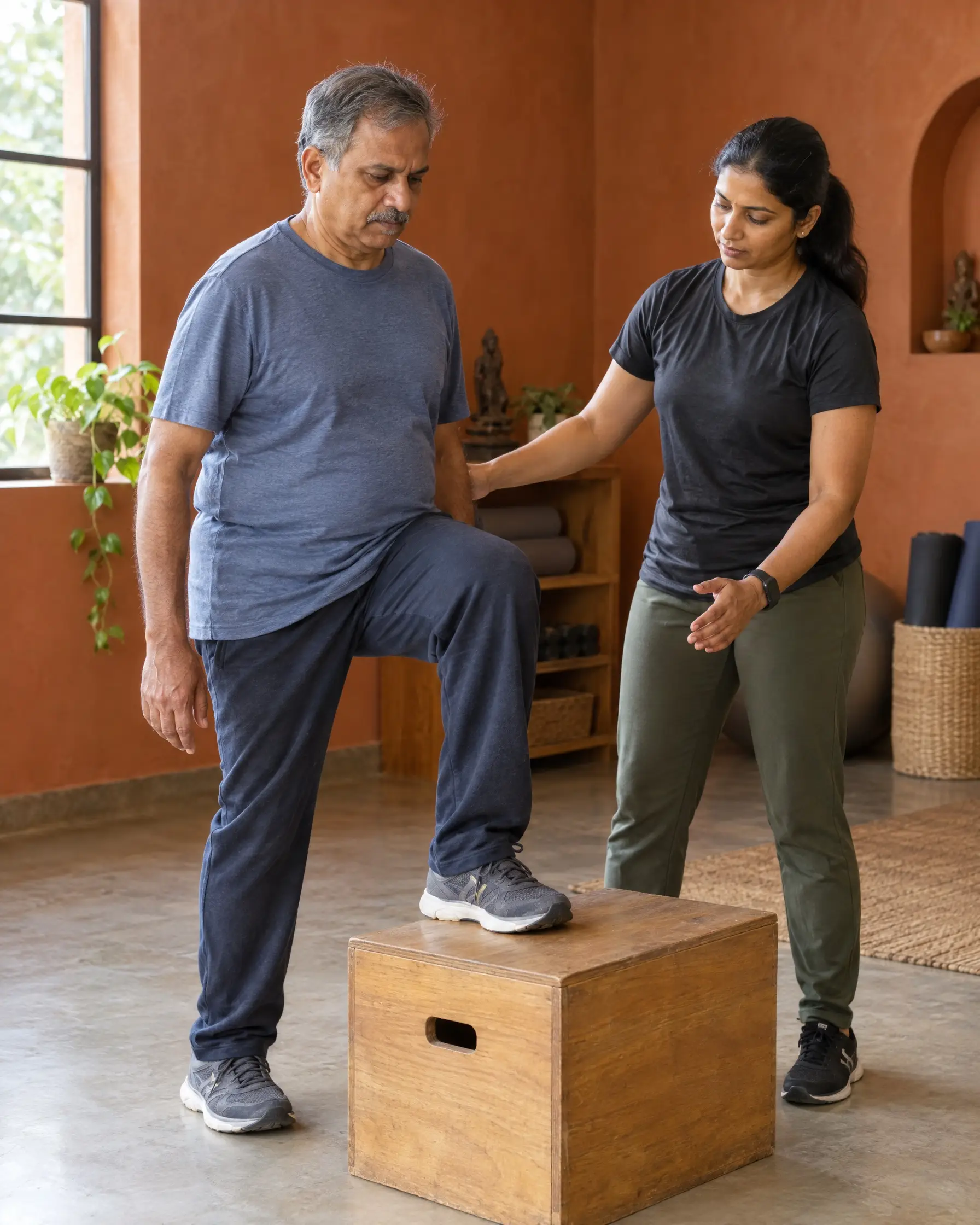
Later in life
Careful, progressive and supervised. The goal is a body that keeps up with your life.
No. The assessment exists so that we start from where you are. Most plans begin lighter than people expect.
A coach looks at posture, mobility, a strength baseline, past injuries, your routine and what you want from training. It takes one session. You leave with a written plan.
Yes, and most plans do. The coach decides the mix from your assessment: for example two strength sessions, one yoga and one Zumba in a week.
It is reviewed on a fixed schedule and whenever something changes: an injury, a new goal, a busy month. Loads and poses change when your numbers do.
Often, yes, but we are coaches, not doctors. For a medical condition or a recent injury we ask for clearance from your doctor before we load anything.
We do not promise that. Results depend on attendance, sleep and food outside the studio. We track what we can measure and tell you honestly what is changing.
Physiotherapy, medical diagnosis and prescribed diets. If you need those, we will say so and suggest you see a specialist.

One session. A coach, a measuring tape and an honest conversation. You leave knowing what your plan would be.
Book an assessment